
Many seafarers working for foreign shipping companies run into friction getting paid through their home country’s banking system. Opening a dedicated seafarer bank account can help, but challenges may still arise because of sanctions, currency controls, delayed cross-border transfers, or limited support for regular seafarer salary payments. In some cases, payments to certain countries can be delayed for a week or more due to enhanced compliance checks, and even when the money arrives, spending it abroad can be difficult if the local card network isn’t connected to international payment systems.
Because of this, many seafarers — deckhands, boatswains, captains, and other maritime professionals — look for a way to get paid into a foreign account instead, both to receive their salary smoothly and to actually be able to spend it anywhere in the world.
What actually makes a bank a good fit for a seafarer
Not every bank is a good match for this kind of income pattern. A bank that genuinely works for seafarers, rather than just being easy to open an account with, needs to:
- accept incoming SWIFT transfers in your contract’s currency
- have no sanctions exposure on either the bank itself or its correspondent banks
- correctly recognize payment references like “salary,” “wages,” or “seafarer contract” instead of flagging them as suspicious
- not freeze the account after the first few large regular deposits (a common problem with everyday neobanks like Wise or Revolut, which generally aren’t built for recurring seafarer-contract salary payments and can lock an account after the first big deposit)
- let you actually spend the funds abroad without major restriction. It’s worth knowing upfront: in nearly all of these countries — including Armenia, Georgia, and Kyrgyzstan — opening an account now requires an in-person visit to the bank. That includes Kazakhstan, where rules for getting an IIN (tax ID number, required to open an account) were tightened at the start of 2025 and now can only be done in person, in-country. Fully remote, start-to-finish account opening at a traditional bank is essentially no longer available anywhere in the region.
How We Help
Our process involves representing your interests and handling the paperwork at the bank — either remotely where that’s still possible, or with in-person support if a visit is required — and then sending you your signed documents, account details, and physical bank card. You don’t need to navigate foreign-language paperwork yourself or agonize over how to answer application questions. We handle it end to end and deliver a finished card in your name.
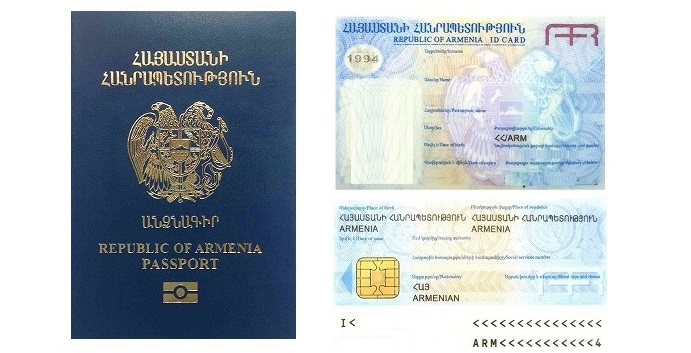
All you typically need to provide is your international passport. Some banks also require a notarized translation of it, plus a photo or video verification for the bank’s compliance team. Once the account is open, your card gets shipped to you, and you can start receiving payments and making purchases worldwide. For the current list of banks actually working with seafarers in 2026, get in touch with us.
Sorting this out ahead of time is also a real advantage when negotiating an employment contract — it means your foreign employer doesn’t need to route payments through your home country’s banking system, avoiding the delays and extra scrutiny that often come with that. Getting paid into an account in a country with a stable, internationally connected banking system can also mean lower fees, better conversion rates, and fewer surprises when you actually go to spend it.
FAQ
Why would a seafarer need a foreign bank account instead of their home bank? If your home country’s banking system has trouble processing international salary payments smoothly — due to sanctions, currency controls, or slow compliance checks — a foreign account in a well-connected jurisdiction can mean faster, more reliable payments and easier spending abroad.
Which countries’ banks are most commonly used for this? Armenia, Georgia, Kyrgyzstan, and Tajikistan are among the most popular, along with Turkey.
Can I open this kind of account fully remotely? Generally no — as of 2026, most banks in this region require an in-person visit, though the paperwork and preparation can often be handled remotely with assistance.
What documents do I need? Usually just an international passport, though some banks also require a notarized translation and photo or video verification.
Will a neobank like Wise or Revolut work for receiving seafarer salary payments? Not reliably — these services are generally built for everyday personal use, not recurring large seafarer-contract payments, and can freeze an account after the first big deposit.
How long does the process take from application to receiving a card? It varies by bank and country, but expect anywhere from a few days to a couple of weeks once documents are submitted.